
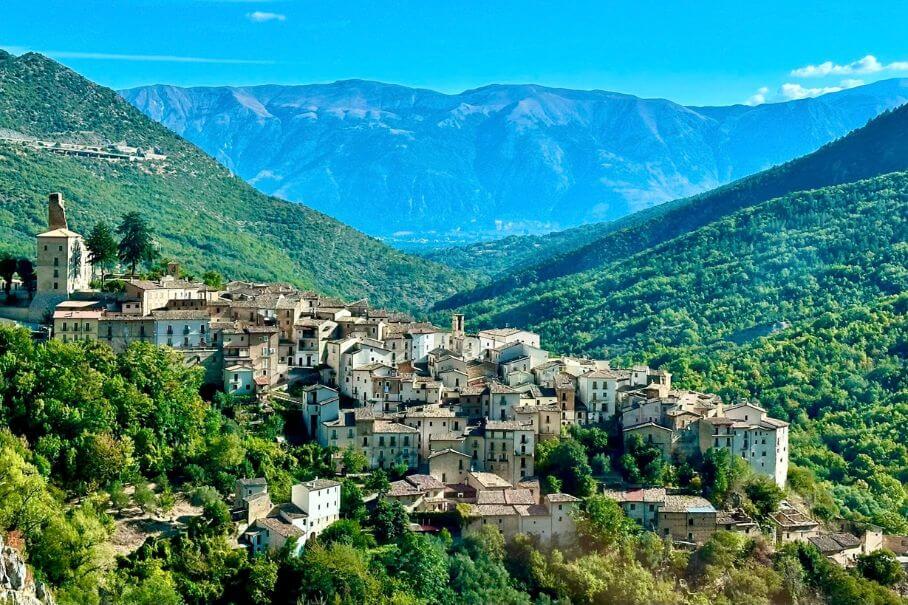
An Active 3-day Abruzzo Itinerary: From the Coast to the Mountains
A morning among medieval abbeys, an afternoon on the Adriatic and a mountain lake the next day. Abruzzo gives you plenty of ways to spend time outdoors, with villages, food and museums woven into the journey.
I recently joined the Active Abruzzo press trip organized by CNA Turismo Abruzzo. The programme brought together cycling, a boat excursion, mountain villages, traditional crafts and Pescara’s museums. It offers a useful starting point for planning your own three days in the region.
This three-day Abruzzo itinerary follows that mix: coast and hills on day one, Villalago and Scanno on day two, then Pescara on day three. You’ll need a car or arranged transfers between areas. Choose shorter activities where needed, and leave room for lunch, photographs and the occasional change of plan.
Your 3-day Abruzzo itinerary at a glance
| Day | Places to visit | Activities and highlights |
|---|---|---|
| Day 1: Coast and countryside | Valle delle Abbazie, Castelbasso, Montepagano, Roseto degli Abruzzi and Torre del Cerrano | Cycle through the countryside, visit San Clemente al Vomano and Santa Maria di Propezzano, explore Torre del Cerrano and enjoy a coastal boat trip with aperitivo. |
| Day 2: Lakes and mountain villages | Villalago, Lake San Domenico, Lake Scanno and Scanno | Visit the lakes and the Hermitage of San Domenico, enjoy lunch in Valle Scannese, and explore Scanno’s stone lanes, lace-making, and goldsmithing traditions. |
| Day 3: Art and culture in Pescara | Imago Museum, CLAP Museum and Museo dell’Ottocento | Discover Pescara’s art museums, from modern and contemporary works to nineteenth-century collections. |
Day 1: Roseto and the Valle delle Abbazie
Morning cycling between villages and abbeys
Start with the countryside inland from Roseto degli Abruzzi. The Valle delle Abbazie links villages and medieval churches along the Vomano and Mavone valleys. Vineyards, olive groves and hills set the scene, while the abbeys offer reasons to stop.
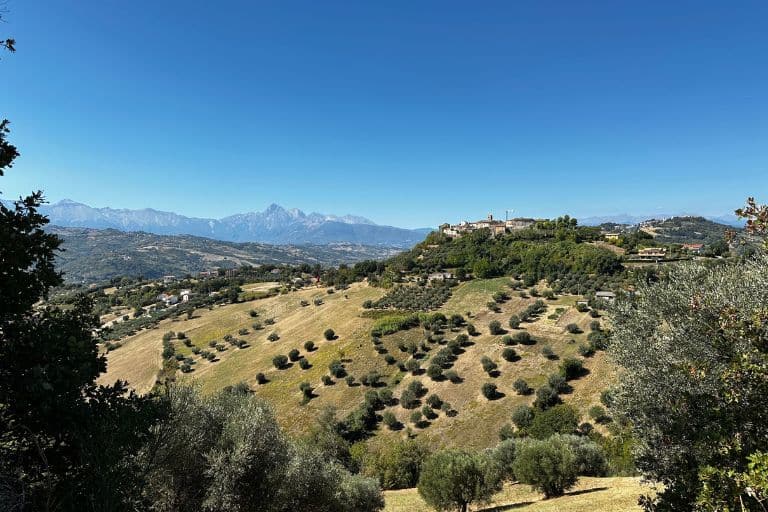
Castelbasso is a good place to begin. Its narrow lanes, small squares and old gateways make it worth exploring on foot before getting on your bike. Check out the Fondazione Menegaz for contemporary art featuring local artists.
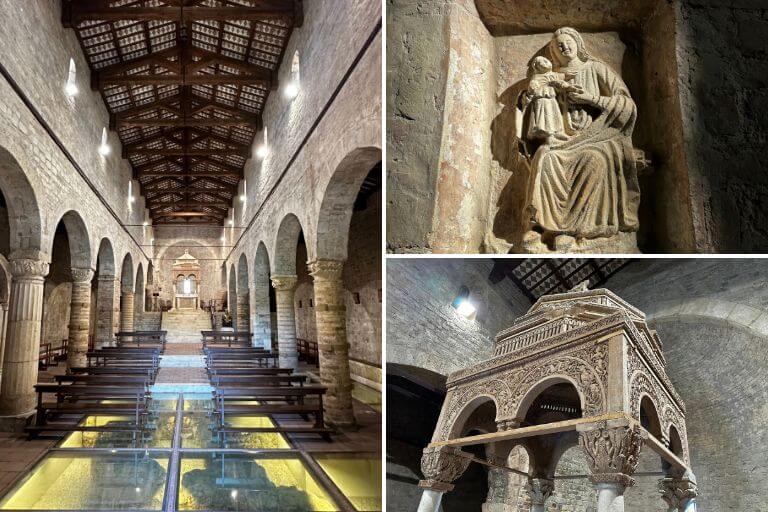
From there, you can head to San Clemente al Vomano in Guardia Vomano. Inside this little abbey, you can find the carved canopy over the altar with detailed decoration. Called a ciborium, it dates from the twelfth century and is decorated with plants, animals and human figures.
For more about the churches, villages and walking routes, read my full Valley delle Abbazie guide.
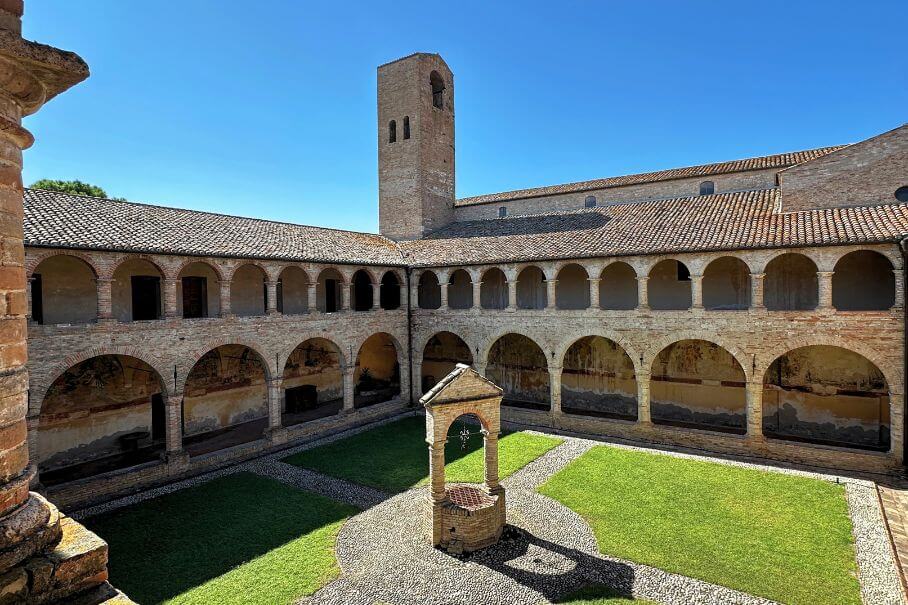
Next, check out Santa Maria di Propezzano. It combines a church and surviving monastery buildings, including a cloister. The associated wine estate lets you pair a cultural visit with a tasting. Book ahead, and arrange separate access to the church and cloister where required.
Visit Torre del Cerrano
Torre del Cerrano overlooks the beach between Pineto and Silvi, bringing together two things I love about Abruzzo: history and nature. Plus, the views are pretty spectacular.
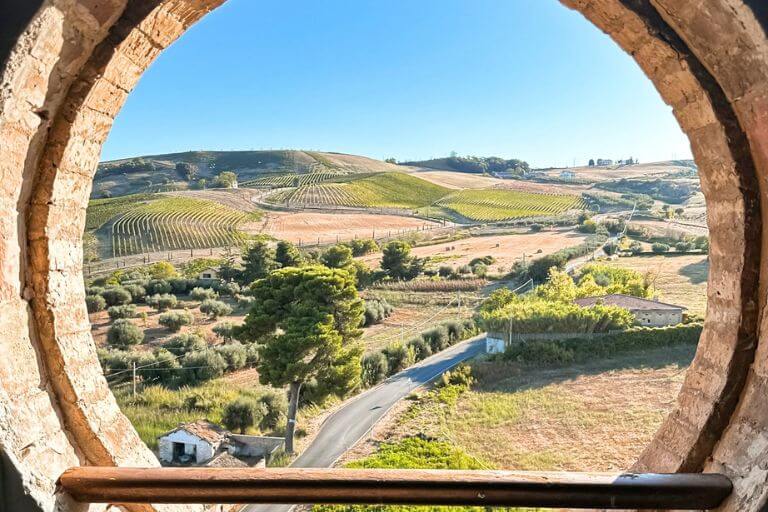
The oldest part dates to 1568, when the tower formed part of a coastal defence network. Lookouts watched for approaching enemy ships and raised the alarm for nearby hill towns, including Atri, Silvi and Mutignano. Later owners expanded the building, so the tower you see today reflects several chapters of its history.
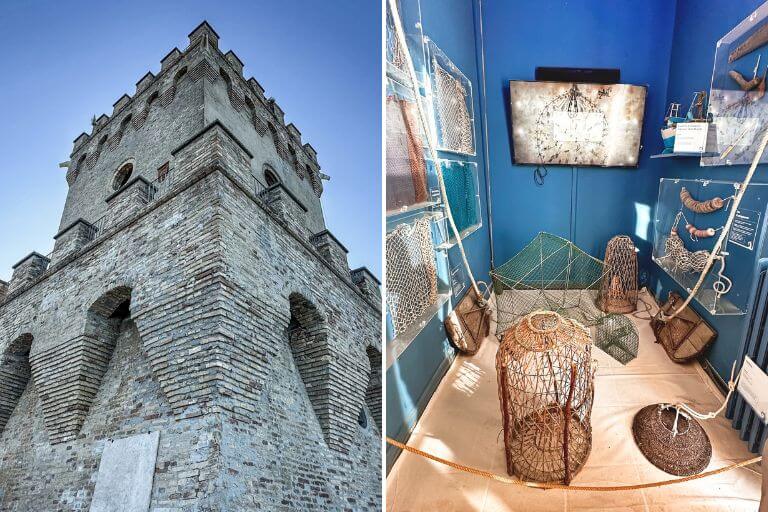
Today, the tower is home to the Museo del Mare and the headquarters of the Torre del Cerrano Marine Protected Area. Inside the museum, you can learn about the local marine environment through natural specimens and multimedia displays. Offshore lie the submerged remains of Atri’s ancient harbour, adding another layer of history to this stretch of coast.
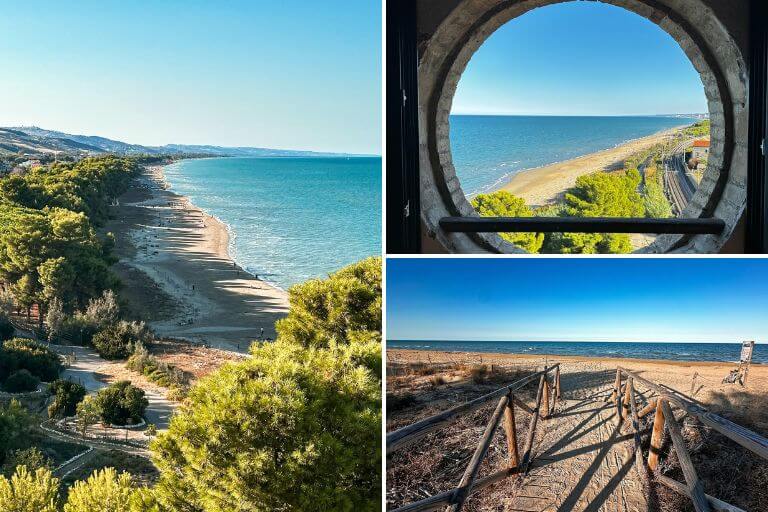
With a pine grove beside the beach, the setting is also a reason to stop. You can combine a visit with a walk along the shore before continuing with the day’s coastal activities. For this Abruzzo itinerary, I’d include it after exploring the Valley of the Abbeys and before the boat trip and aperitivo.
Planning your visit: Check the official Torre del Cerrano website for current visiting arrangements and guided tours before you go.
An afternoon boat trip and aperitivo
After the hills, head back towards the coast. It’s the perfect opportunity to pair your morning ride with a boat excursion from the Roseto marina and an on-board aperitivo. It’s a useful change of pace after several hours of cycling and sightseeing.
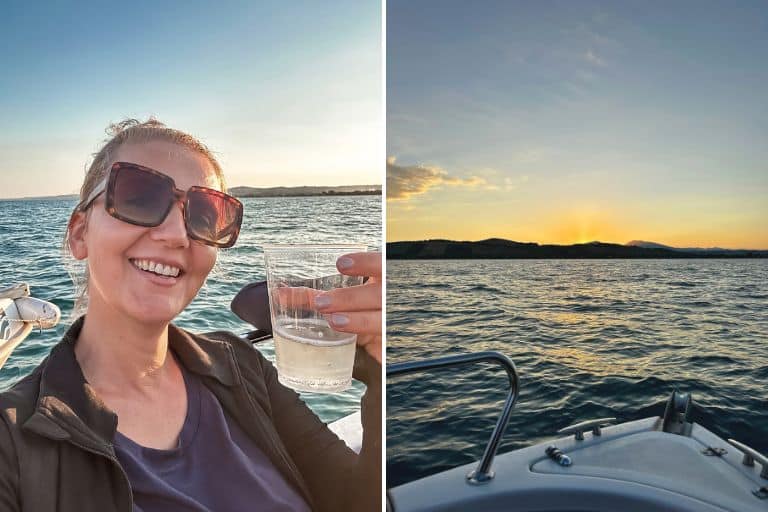
From the water, you can look back towards the beaches and the coastline. The area has a marine protected zone, and the tower serves as a landmark on shore. Ask your operator which stretch of coast the trip covers and what the aperitivo includes.
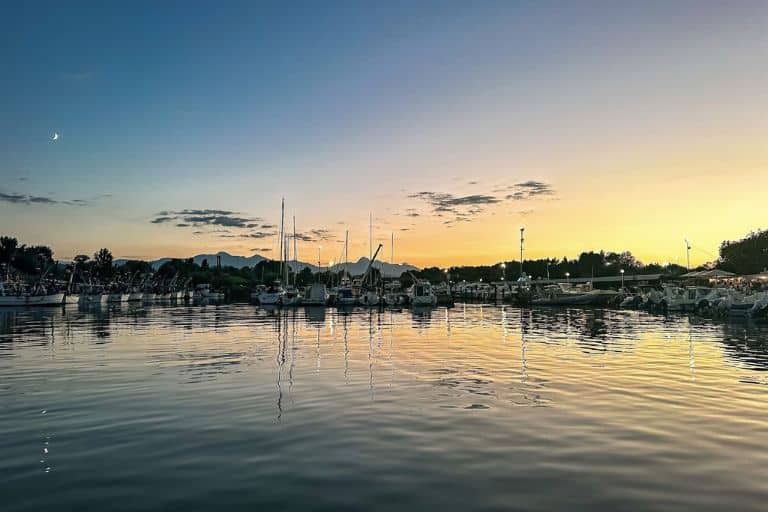
Keep some flexibility here. Boat trips depend on sea conditions and seasonal schedules. If a sailing is cancelled, consider a walk on the coast or a booked visit to Torre del Cerrano and its Museo del Mare.
Plan it yourself tip: We used Fuoriporto for our boat experience. The company offers e-bike rentals and boat excursions in the Roseto area. You can rent a bike and do your own thing or go with a guide. Confirm distance, climbing, surfaces and estimated riding time. For the boat, check the departure port, duration, aperitivo and weather policy. Allow time to return the bikes and reach the port.
Bike hire and boat booking options
Day 2: Villalago and Scanno
Morning at Villalago and Lake San Domenico
Leave the coast early for the Sagittario Valley. The drive takes you through great scenery, but it can be a bit twisty. Take anti-nausea meds if you get motion sickness.
Villalago belongs to I Borghi più belli d’Italia, the association of Italy’s most beautiful villages. It sits above the valley and offers great views of the surrounding area. Spend some time exploring the village before continuing to Lake San Domenico.
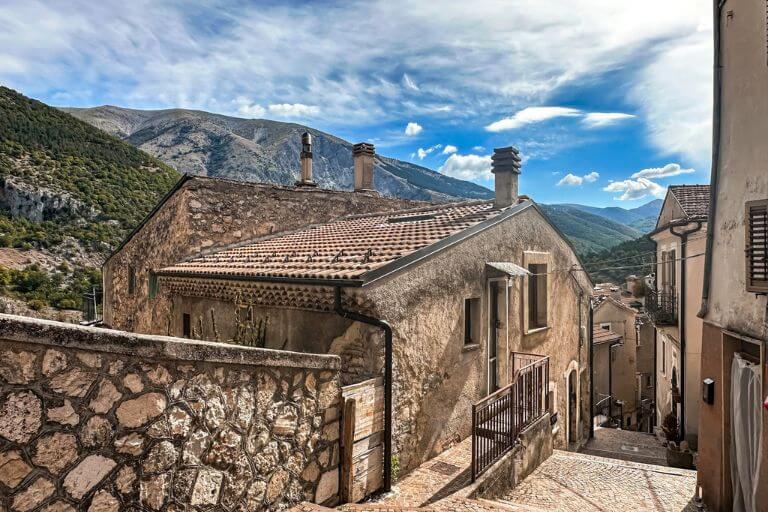
The lake’s green water and steep surroundings make it a striking stop. Its name comes from the nearby Hermitage of San Domenico, where the saint is said to have withdrawn in prayer around 1013. The chapel and rocky retreat connect the setting with a much older religious history.
You can hike from Villalago to the lake. It’s an easy 30-40 min downhill walk, but then you have to go back up. You can also park near a bridge off the main road and walk to the hermitage, where you can walk around the lake. Important note: going in the water (for humans and pets) is not allowed, so be respectful.
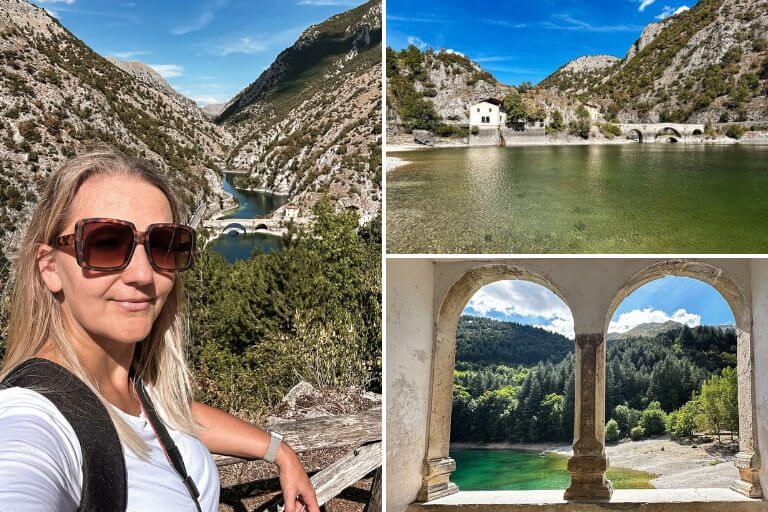
The wider Sagittario Valley also includes the Gole del Sagittario nature reserve near Anversa degli Abruzzi. That can be an extra stop if you extend the trip, but I would avoid adding a second substantial walk before lunch and an afternoon in Scanno.
Lunch at Valle Scannese Da Gregorio
For lunch, we stopped at the Bio Agriturismo Valle Scannese, also known as Da Gregorio. An agriturismo is a farm-based place to eat or stay, and this one connects lunch with the area’s pastoral traditions and cheese production.
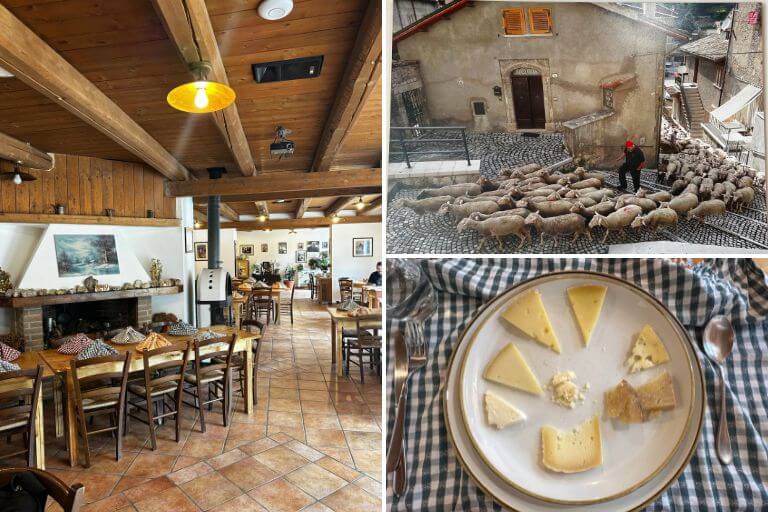
The family-run business prides itself on its commitment to grazing animals and protecting mountain biodiversity. The Sopravissana sheep are part of the farming story here, and you’ll5r4t see many family photos in the restaurant, giving you a look at its history.
The restaurant includes a tasting area and farm shop. Ask about the day’s menu and available cheeses. If you don’t eat meat or have other dietary needs, mention it when reserving so they can plan lunch around you.
Spend an afternoon in Scanno
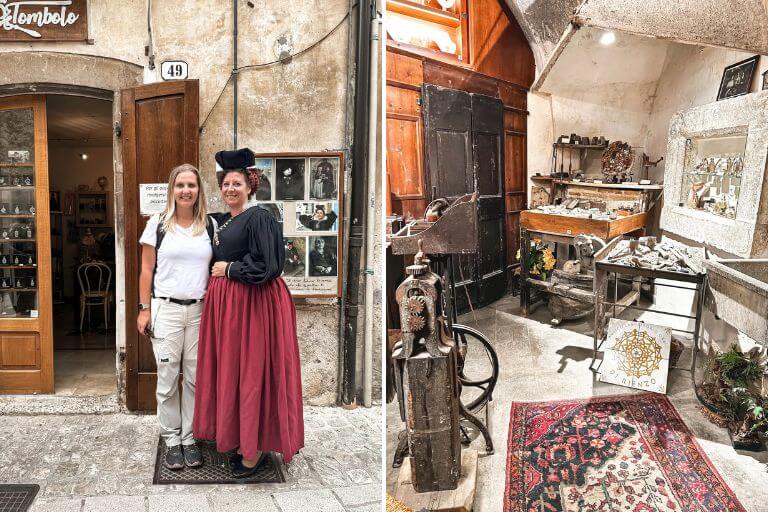
Scanno is known for goldsmithing and tombolo lace, traditions passed between generations. Tombolo is bobbin lace made using a cushion, pins and small wooden bobbins. Watching the threads become a pattern shows the patience behind the finished work.
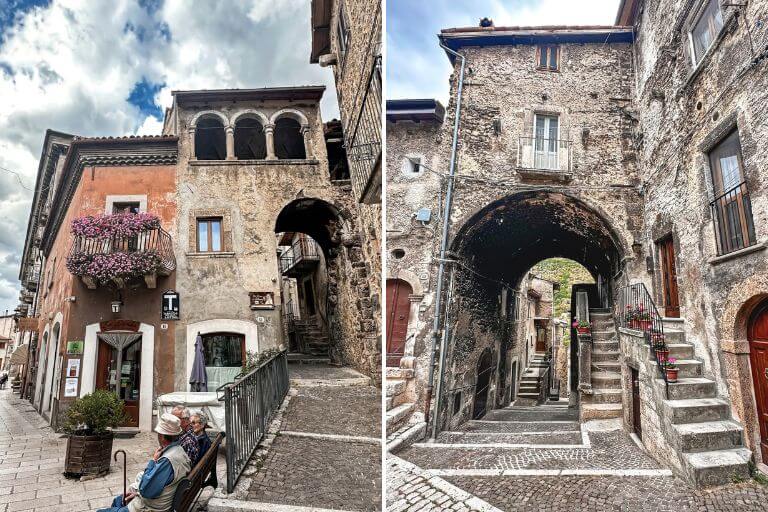
We had the opportunity to visit a local artisan, Luna, who works with traditional costumes and a seventh-generation goldsmith, where the iconic buttons and other decoration for local costumes are made.
Spend the afternoon exploring Scanno’s historic centre. Here, you’ll find stone buildings, stairways and narrow lanes that haven’t changed much over the decades. Start around the main square, then take time to wander the smaller streets.
Take a break at Lake Scanno
For a change of pace, add a stop at Lake Scanno. You can do this before or after Scanno, especially if you opt to stay in the area overnight. To see the lake’s famous heart shape, follow the Sentiero del Cuore to its panoramic viewpoint.
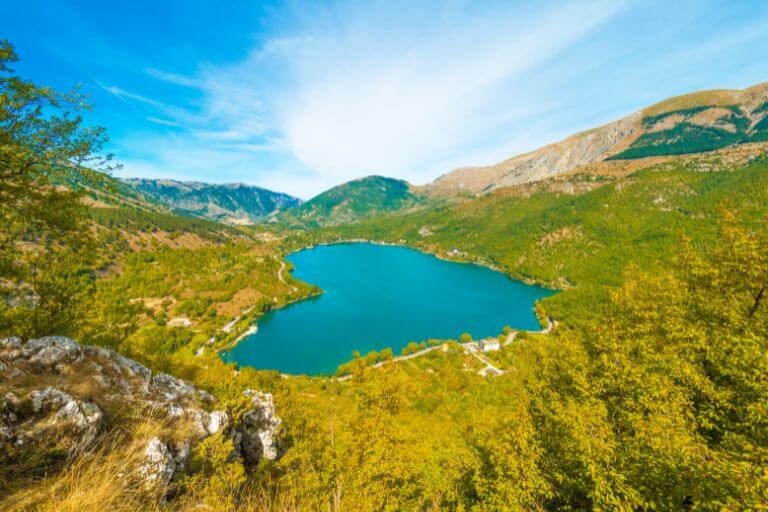
The shape comes from the viewing angle, so you won’t see it from the lakeshore. Wear comfortable walking shoes and allow extra time for the uphill walk and photo stops. Here is how to get to the lake from the village:
- From Scanno Village: Start your walk in the town center and head toward Via della Pineta, which leads out of the village toward the lake.
- The Sentiero del Cuore (Heart Trail): From either the town or the lake shore, you can access this famous path. It climbs up to the Hermitage of Sant’Egidio and the panoramic Osservatorio del Cuore, where Lake Scanno appears uniquely heart-shaped.
- Duration: Walking one way between the village of Scanno and the lake takes about 30 to 45 minutes, depending on where you start and your pace.
- Difficulty: Easy to moderate. The paths feature gravel sections and steady inclines if you head up toward the hermitage viewpoint.
Day 3: Pescara and its museums
Pescara brings a change of pace after the hills and mountain villages. You can either start or end your trip here. I visited the Imago Museum, CLAP Museum and Museo dell’Ottocento. You can use the same trio for a day of art, with lunch between visits.
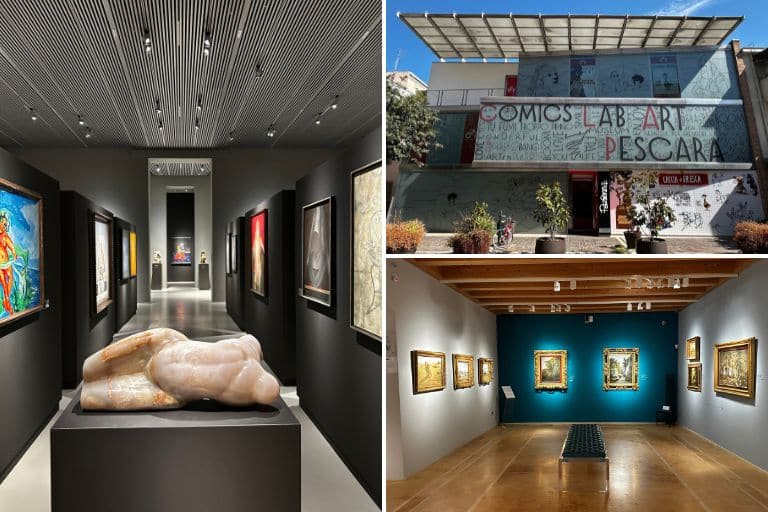
Imago focuses on modern and contemporary art, including collections of Scandinavian painting and works by Mario Schifano. CLAP turns the attention to comics and visual storytelling. At Museo dell’Ottocento, Italian and French nineteenth-century art fills the former Banca d’Italia building.
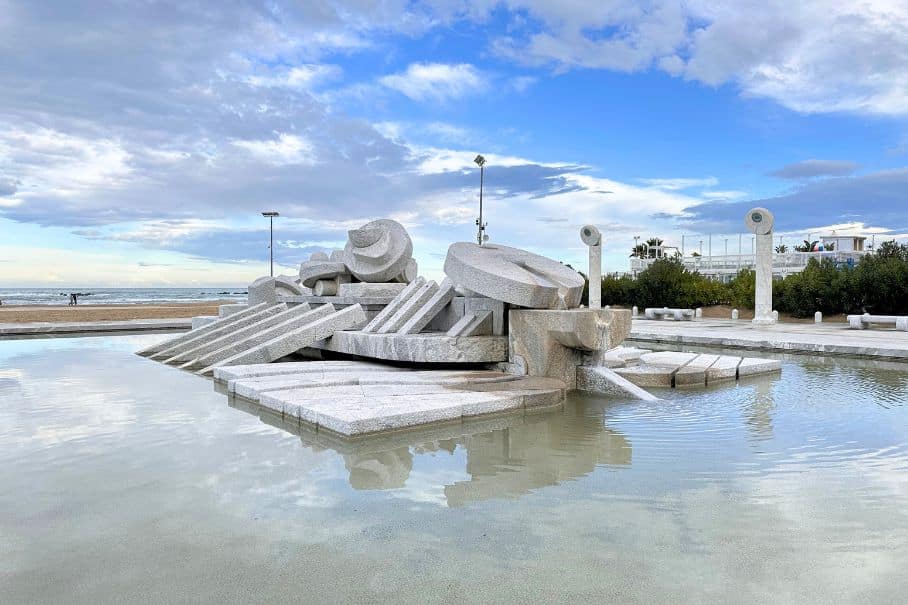
Choose two if you prefer a lighter day. Three museums can fill much of it, especially if you like to read labels and spend time with individual works. Finish with a walk towards the seafront, or stay in the centre for a coffee and dinner.
| Museum | Opening days | Opening hours | Admission | Location |
|---|---|---|---|---|
| Imago | Tuesday to Sunday | 10:30–13:30 and 16:00–20:00 | €15 combined ticket covering Imago, CLAP and MicHub | Central Pescara |
| CLAP | Tuesday to Sunday | 10:30–13:30 and 16:00–20:00 | Included in the €15 combined ticket | Central Pescara |
| Museo dell’Ottocento | Tuesday to Sunday | 10:00–13:00 and 16:00–19:30 | €10 standard ticket, purchased separately | Viale Gabriele D’Annunzio; allow a longer walk or use local transport |
All three normally close on Mondays. Check current opening hours and ticket terms before visiting or buying.
Planning to spend more time in Pescara? Read my Pescara travel guide for more things to do and practical tips to help you plan your visit.
Getting around and choosing a base
Renting a car or pre-booked transfers make this route easier to manage. The coastal towns, abbeys and mountain villages are spread out, so do not plan to connect the whole itinerary on foot or by bicycle.
I would choose Pescara as your base. If you’re flying in or arriving by bus or train, you’ll likely end up here. You can rent a car at the Abruzzo Airport or at the Pescara Centrale train station. The centre is directly across the street.
By car, Pescara to Villalago takes just over an hour. Roseto is just under an hour, but I would allow a bit more in case you want to add sightseeing stops. Check your navigation for directions to your exact accommodation and road conditions.
To avoid backtracking, you can opt to stay near Roseto or Pineto before day one, then in Scanno or Villalago after day two. Returning to Pescara that evening is another option. Book parking with your accommodation where possible.
When to go and what to pack
- Unless you enjoy extreme heat, I would choose late spring or early fall for this mix of cycling, walking and sightseeing. I did my press trip in September, and the weather was perfect.
- Always confirm boat departures before booking, since shoulder-season availability can vary. The weather can also affect your experience, especially if the water is too choppy or it’s raining.
- Bring comfortable walking shoes, clothes you can cycle in, sun protection and a light layer for the boat.
- Add a waterproof jacket and warmer layers for the mountain day. Carry water, and check whether bike rental includes a helmet.
This route gives you several sides of Abruzzo in three days. Keep the places that interest you most, shorten the bike ride if needed and leave time for the people making the food, art and crafts along the way.
