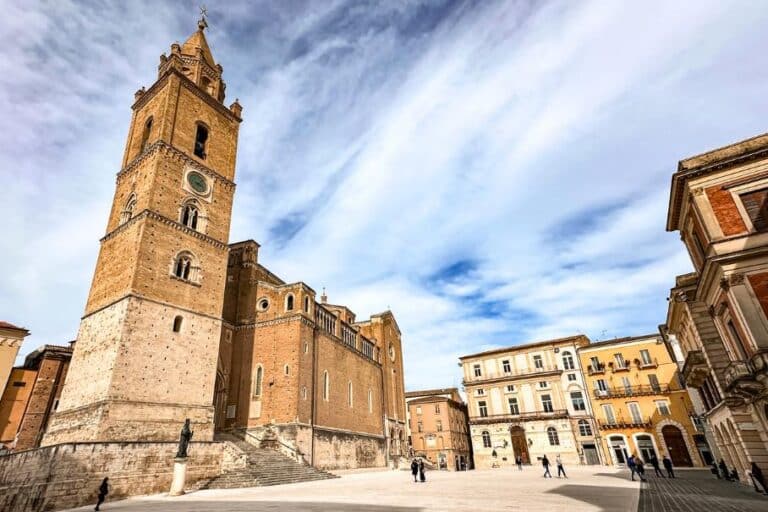
Pescara, Italy Travel Guide for First-Time Visitors
Pescara, Italy is not the kind of city most North American travellers think of when they come here. It does not have the ruins of Rome, the canals of Venice or the Renaissance skyline of Florence. What it does have is a long Adriatic beach, rows of beach clubs, lively bars and restaurants, good transport links and one of the easiest entry points into Abruzzo.
As the largest city in Abruzzo, Pescara feels more urban than quaint. That can be a plus if you want a beach break with plenty of places to eat, drink and stay, plus easy access to the rest of the region.
This guide covers what to see and do in Pescara, what the beach is like, how to get there and whether it belongs on your Italy itinerary.
Where is Pescara in Italy?
Pescara sits on Italy’s Adriatic coast, in the region of Abruzzo. It’s the largest city in the region and one of its main transport hubs, with an airport, a train station and bus links to Rome and other parts of Italy.
Abruzzo lies east of Rome, on the other side of the Apennine mountains, on the Adriatic Sea. That mountain range is part of why Abruzzo stays off the radar for many visitors, even though it’s less than a two-hour drive from the capital.
Is Pescara worth visiting?
Pescara is worth visiting if you want a lively beach city, a relaxed Adriatic base and a practical starting point for exploring Abruzzo. It’s especially good for beach clubs, seafood restaurants, evening walks, summer energy and easy transport.
It may not be the right fit if you’re after a tiny hill town, a polished historic centre or a quiet romantic escape. Pescara is a real city. That means more services, more nightlife and more convenience, but also more traffic and a busier feel than the countryside towns nearby.
Best things to do in Pescara, Italy
The best things to do in Pescara are simple, local and easy to enjoy. You won’t need a packed schedule to get a feel for the place. The city is split in two by the Pescara River, but both sides offer great beach clubs and walking opportunities.
- Walk or cycle along the seafront. A long promenade runs beside the beach, with a dedicated bike path. It’s the easiest way to get a sense of the city, especially in the early evening when locals are out.
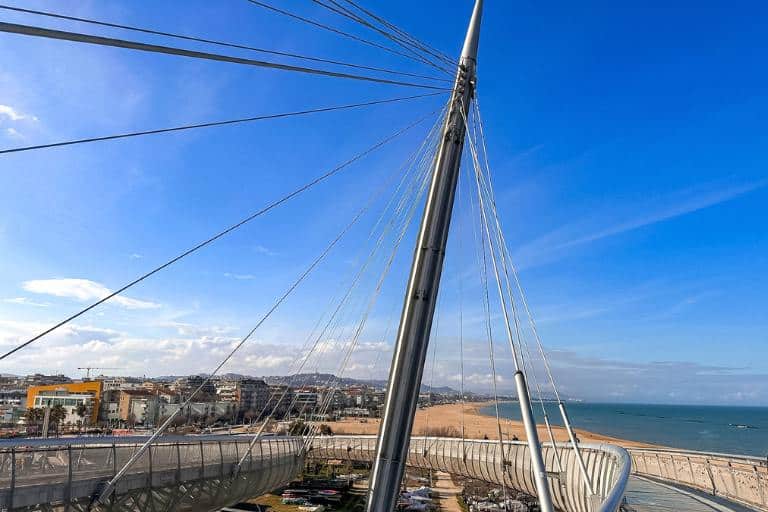
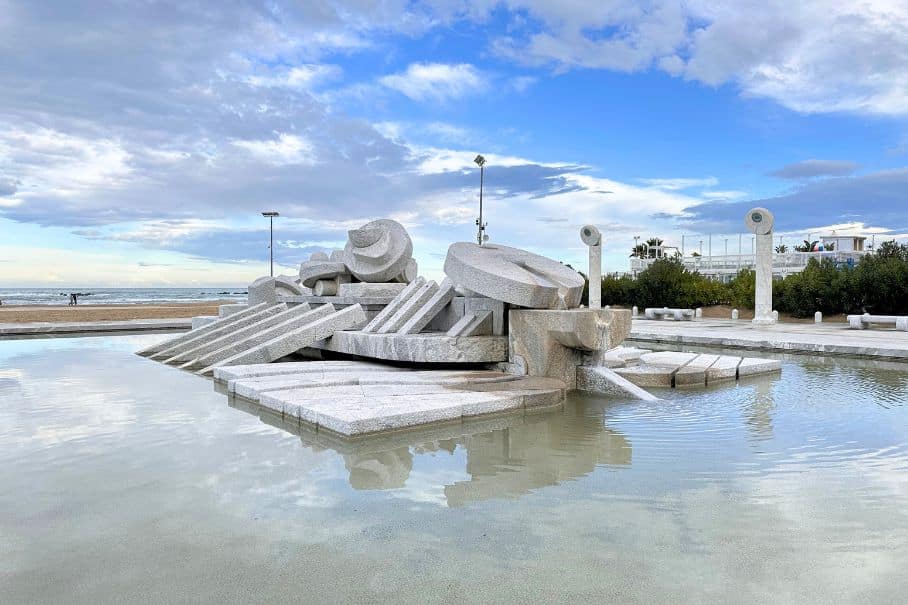
- See the Ponte del Mare. This pedestrian and cycle bridge crosses the Pescara river near the coast, connecting the north and south sides of the city. It’s become a bit of a landmark and offers good views over the water.
- Spend time at the beach clubs. Most of Pescara’s beach is organized into stabilimenti, private clubs where you pay for a lounger and umbrella. They usually include a bar or restaurant, changing rooms and showers.
- Explore the centre around Corso Umberto I. This is the main shopping and gathering area, with cafes, stores and a steady flow of people through the day and into the night. The corso starts at the Piazza Sacro Cuore Pescara (across from the main train/bus terminal) and continues past Piazza della Rinascita (known as Piazza Salotto) to the waterfront.
- Visit Old Pescara (Pescara Vecchia). The old town of Pescara is a small pocket of narrow streets that survived the city’s rebuilding after the Second World War. It has a different pace than the newer parts of Pescara, with small restaurants and bars tucked into old buildings.
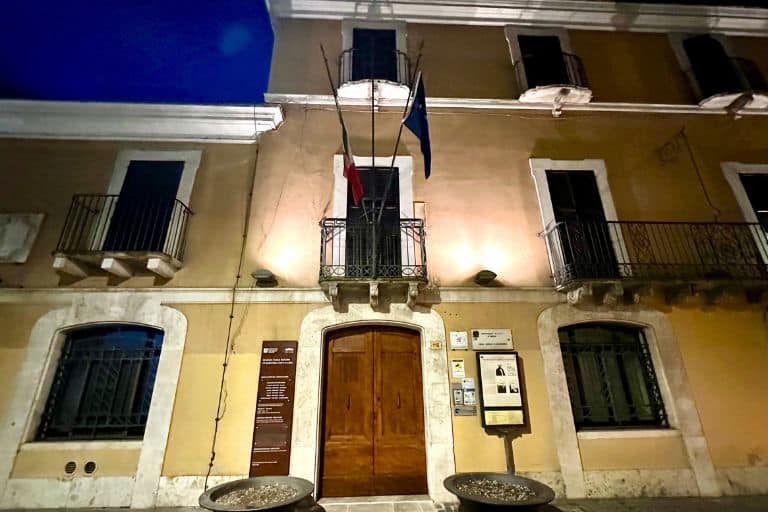
- Visit the Museo Casa Natale di Gabriele d’Annunzio. Pescara is the birthplace of the poet and writer Gabriele d’Annunzio, and his childhood home is now a small museum. It’s worth an hour if you’re curious about the city’s history.
- Try Abruzzo food, including arrosticini, seafood and local wine. Pescara is a great spot to eat, whether that’s skewers of grilled lamb at a local trattoria or fresh catch at a restaurant on the seafront.
- Use Pescara as a base for day trips. With an airport, train station and bus connections, Pescara makes a solid home base for exploring the rest of Abruzzo without switching hotels every night.
Pescara beach: what to expect
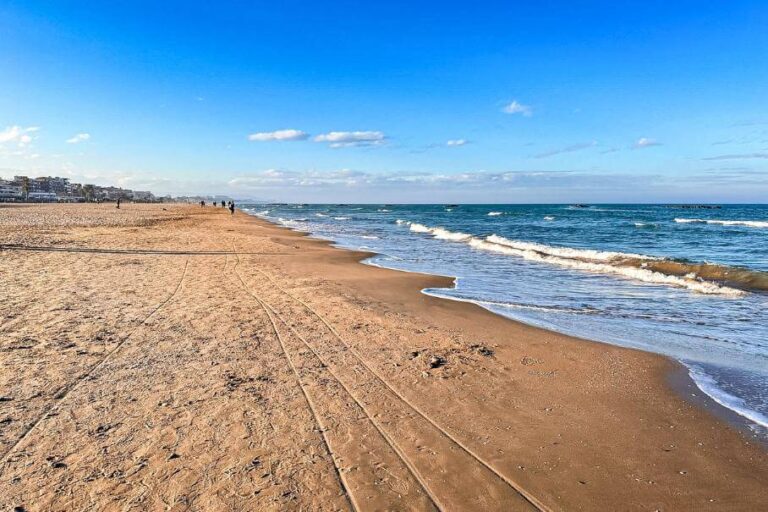
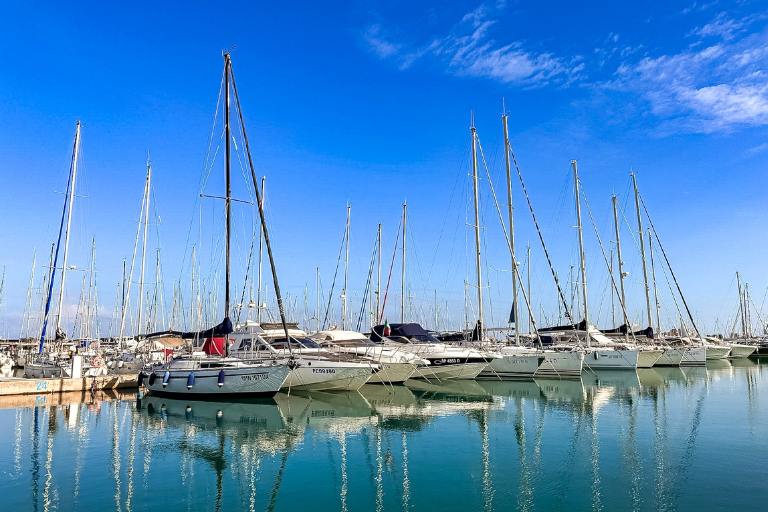
Pescara beach is a bit of a misnomer, as the whole stretch along the coast is made up of different beach clubs, restaurants and bars. You can rent an umbrella and loungers during summer or just grab some food and drink by the water. Here you can enjoy a sandy beach and clear water that’s also fairly shallow.
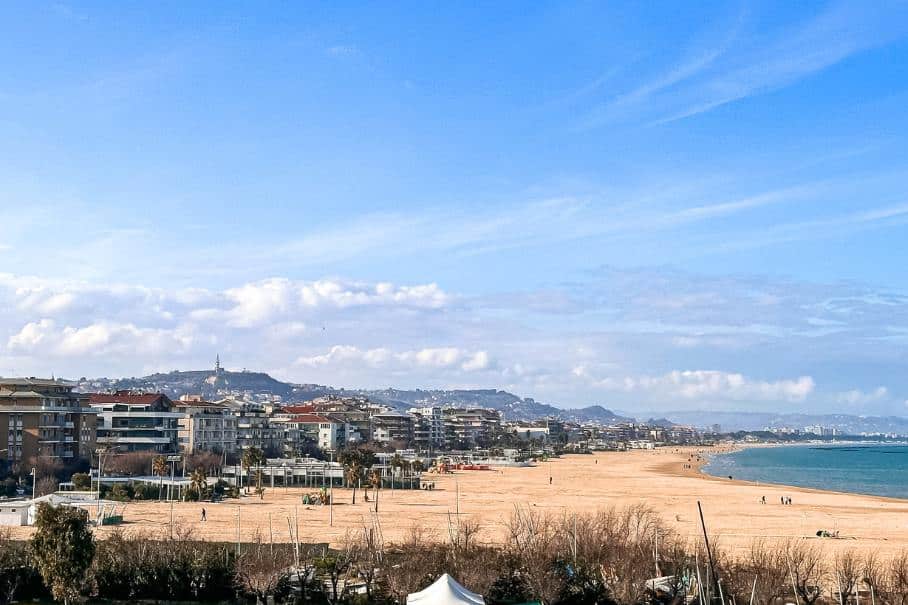
It’s good if you want convenience, food, drinks and facilities close by, and you don’t mind sharing the sand with a lot of other people in July and August. If you’re after wilder or more dramatic scenery, you’ll find that further down the Abruzzo coast, particularly along the Trabocchi Coast south of the city.
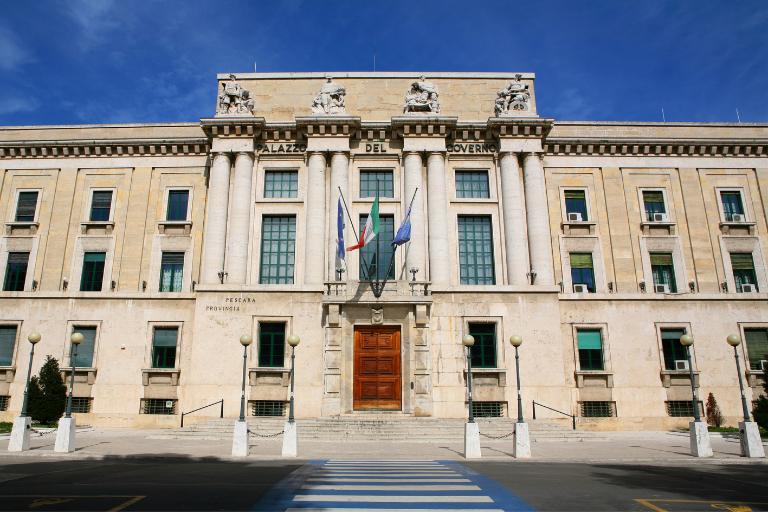
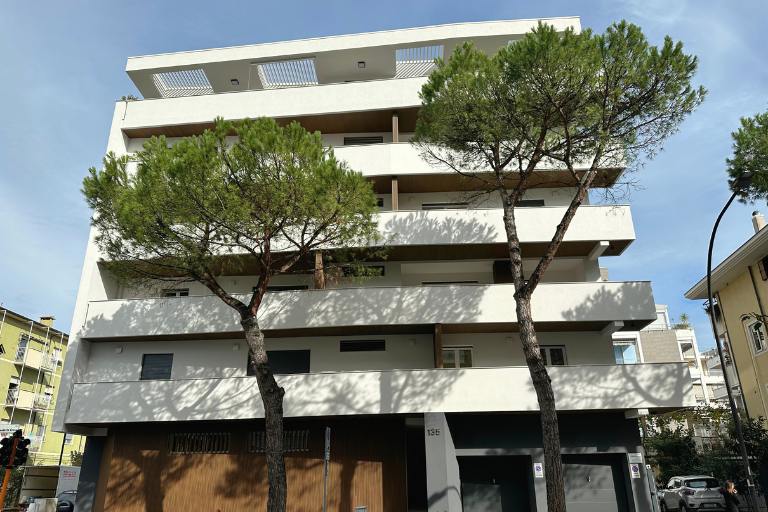
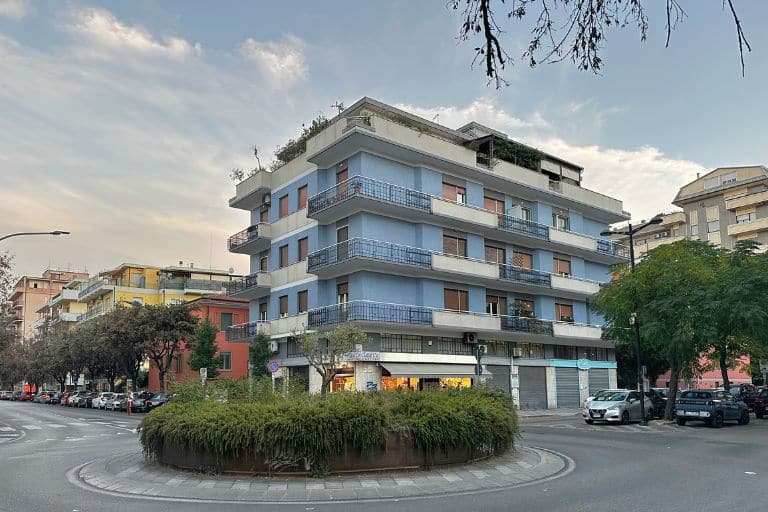
Even with its beginnings dating back to the first century B.C., Pescara feels fairly modern, especially when compared to other Italian cities. That’s because a lot of it was bombed during WWII. It was rebuilt in a more modern style, and today, you can find sleek new condos among the post-war buildings. It’s not to say that there are no old buildings here—you just have to look for them.
Food and drink in Pescara
Pescara is a good city for eating by the sea. Seafood is a strong pick almost anywhere near the water, and casual beach restaurants serve everything from simple grilled fish to full pasta menus. Arrosticini, the small skewers of grilled lamb that Abruzzo is known for, show up on menus across the city.
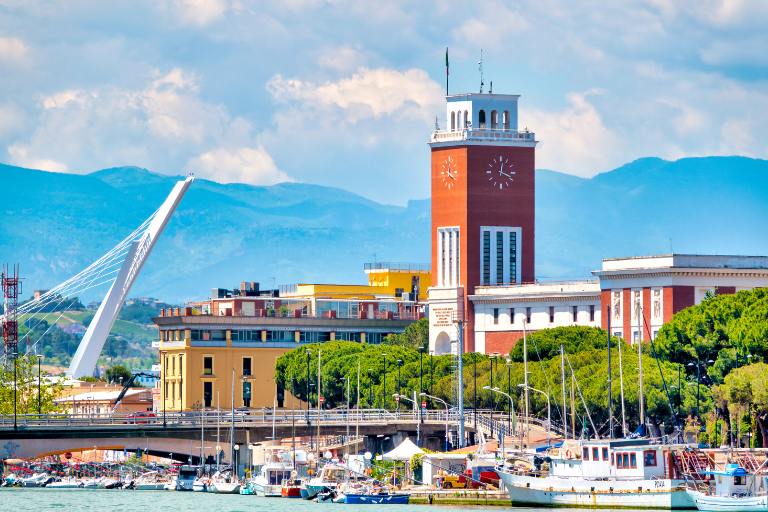
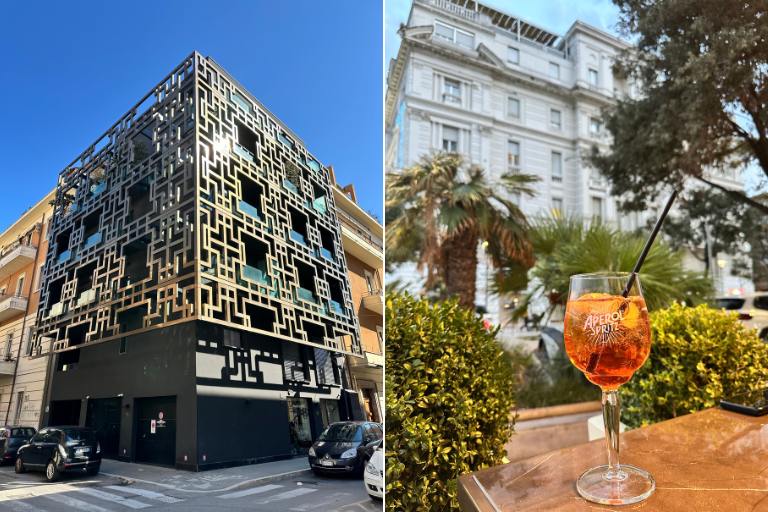
Aperitivo hour is well established here, with bars around the centre and seafront filling up in the early evening. Gelato shops are easy to find, and Abruzzo wines, including Montepulciano d’Abruzzo, are worth trying with dinner. The city has a genuine evening buzz, especially around Corso Umberto I and the promenade, once the heat of the day breaks.
How to get to Pescara
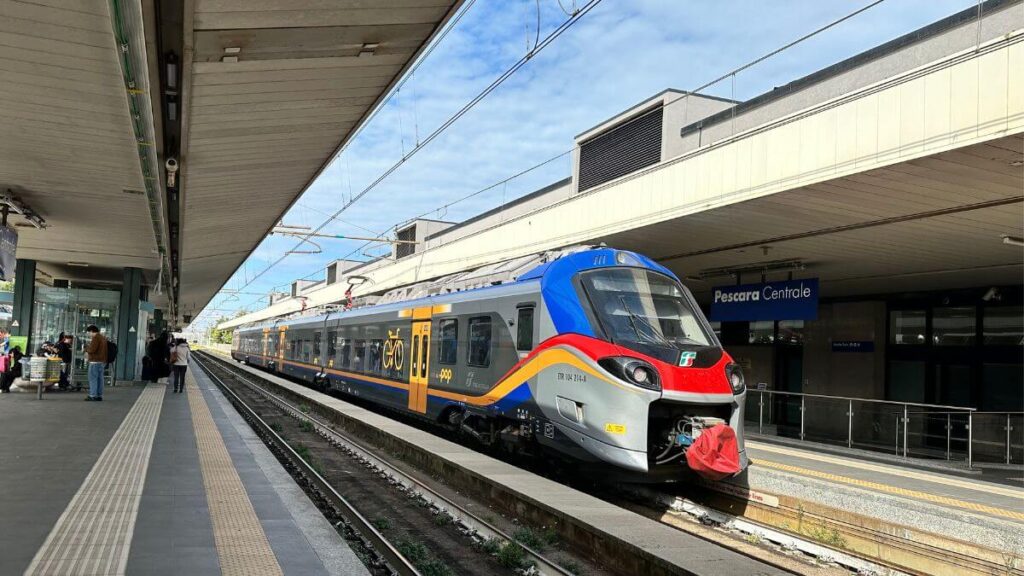
Pescara is one of the easiest places to reach in Abruzzo, with its own airport, train station and long-distance bus connections. Pescara’s main train and bus station is steps away from the main drag and attractions, which makes it easy to get started right after you arrive.
Flying to Pescara
The Abruzzo Airport is the closest airport, located between Chieti and Pescara. It’s a small airport with connections to other European cities, with new routes planned for the future. Check current schedules before booking, since routes can change season to season.
Bus from Rome to Pescara
You can easily get to Pescara from Rome by bus. ClickBus, FlixBus and Prontobus operate from Fiumicino Airport and Termini Station directly to Pescara. The trip (depending on the bus) takes roughly two to three hours. Check current schedules and book ahead, especially in summer.
Train to Pescara
Pescara sits on the Adriatic rail line, which makes it a useful stop for anyone travelling along the coast from other cities in the region or further north and south. There is no direct fast train to Rome, but you can easily access other cities in Italy.
Driving to Pescara
A car isn’t necessary for the city itself, but it’s useful if you plan to explore smaller Abruzzo towns, beaches and countryside beyond Pescara. Many of the best day trips are easier with your own transport. You can rent a car at the Abruzzo Airport.
How long to spend in Pescara
- One day: the city centre, the seafront, the Ponte del Mare and dinner near the water.
- Two days: add beach time, a walk through Pescara Vecchia and a stop at a museum.
- Three or more days: use Pescara as a base for day trips around Abruzzo.
- The right length of stay depends on whether you’re passing through briefly, settling in for beach time or using the city as a launch point for the wider region.
Best day trips from Pescara
One of the best reasons to stay in Pescara is how easy it makes exploring the rest of Abruzzo.
- Chieti – a hill town with Roman ruins and views over the Maiella mountains
- Città Sant’Angelo – a small historic centre not far from the coast
- Atri – known for its cathedral and badlands-style landscape just outside town
- Sulmona – famous for candy made from sugared almonds, with a well-preserved old centre
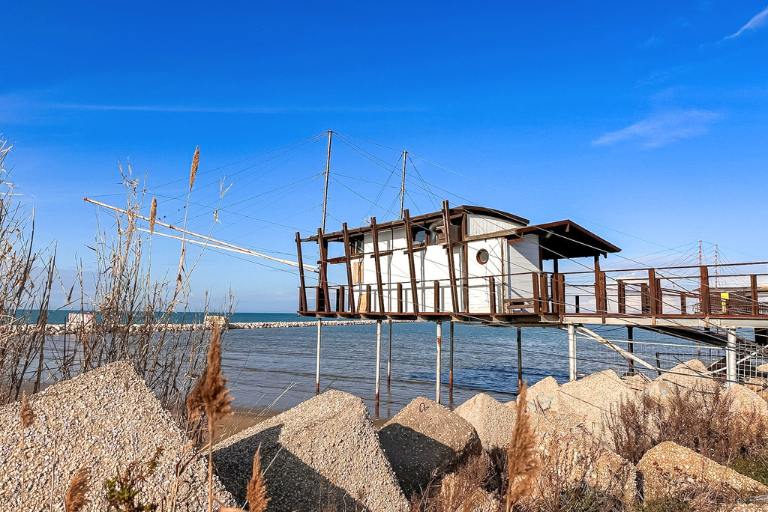
- Trabocchi Coast – a stretch of coastline south of Pescara known for its old wooden fishing piers, several of which are now restaurants
- Ortona – a coastal town with a castle and harbour views
- Lanciano – one of Abruzzo’s oldest towns, with a historic centre worth a wander
- Abruzzo’s national parks and mountain towns – for anyone wanting to pair the coast with time in the mountains
Some of these are simple by train or bus, but a car makes the trip smoother and opens up more stops along the way.
Who should visit Pescara?
Pescara is a good fit for travellers who want a lively beach city, easy transport, good food and a practical base for exploring Abruzzo. It works well for beach lovers, people who’ve already covered Italy’s major cities and want to see something different, and anyone curious about a less obvious part of the country.
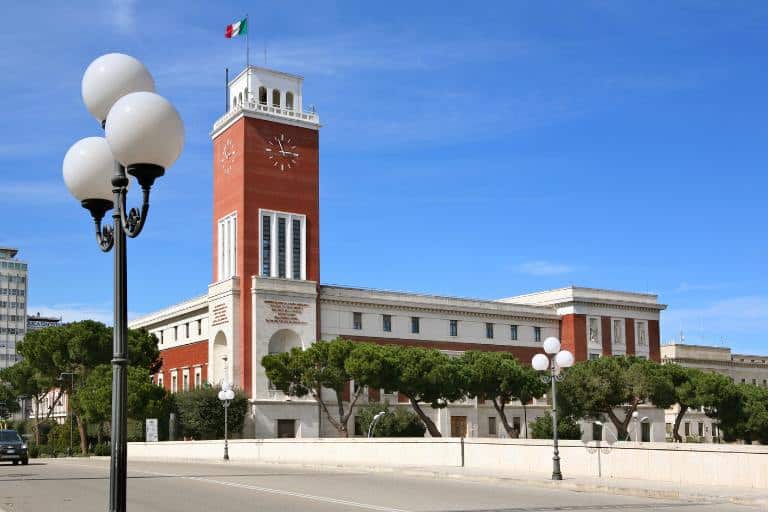
Pescara feels very modern and hip, so it may not be the best choice if you want a quiet hill town, a luxury resort feel or a city packed with major monuments. Pescara isn’t built for that kind of trip, but if you decide to come, I think you’ll love it.
Final thoughts
Everyone who has visited us loves Pescara. We do too. It’s a very cool city that isn’t trying to be one of Italy’s famous art cities, and that’s exactly why it’s a great place to visit. It gives you the beach, the food, the energy of Abruzzo’s largest city and an easy way to explore the wider region.