DISCOVER
Things to do in Abruzzo
Abruzzo is a place of contrasts. In one day, you can go from snowy peaks and quiet mountain villages to sandy beaches along the Adriatic Sea. It’s a region that’s still under‑visited, so there’s space to breathe, experience roads without traffic, and meet humble locals who are proud of their land. With so many things to do in Abruzzo, you’ll see Italy in a totally different way.
Best things to do in Abruzzo
Rugged national parks, fortified hill towns and unpretentious food make it a dream for hikers, road‑trippers and culture lovers. Families will find friendly beaches and easy trails, while serious hikers and skiers can head for higher ground. It’s a spectacular place for any type of adventure.
Top‑rated tours in Abruzzo
- Weekend in Trino Valley – Explore one of Abruzzo’s national parks with a licensed guide. See availability
- Trabocchi Coast experience – A half‑day trip along wooden fishing platforms with lunch on a trabocco. Book yours today
- Food and wine tasting – Sample local wines and cheeses with a vineyard visit. Reserve your spot
- Scenic snowshoe hike – Experience one of the most scenic spots in the Majella Mountains. Check prices
Things to do in Abruzzo for outdoor adventures
Abruzzo is one of Europe’s greenest regions. About a third of it is protected as parkland, so outdoor lovers are spoilt for choice. From gentle walks to challenging summits, there’s an adventure for everyone.
Hike in Abruzzo’s national parks
If you love hiking, then you’ll love Abruzzo. The mountains, views and lakes are simply spectacular.
Parco Nazionale d’Abruzzo, Lazio e Molise
Italy’s oldest national park was created in 1922 and spans about 50,000 hectares of mountains, forests, rivers and lakes. Over 150 marked trails (about 750 km in total) make it easy to tailor hikes to your fitness level.
The short Camosciara G5 trail is a family‑friendly walk to waterfalls and wildlife viewing spots. For a challenge, follow the Val Fondillo trail, which climbs through dense woodland. Keep an eye out for Marsican brown bears and Apennine wolves. There are fewer than 50 bears left in the park.
Gran Sasso and Monti della Laga National Park
Covering 150,000 hectares across Abruzzo, Lazio and Marche, the park is home to the highest Apennine peak, Corno Grande (2,912 m), the Campo Imperatore plateau (nicknamed “Little Tibet”) and the southernmost glacier in Europe.
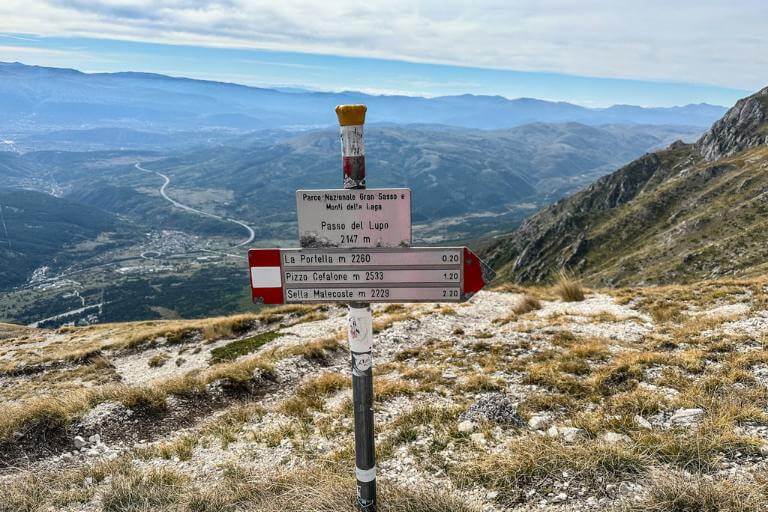
Beginners can hike gentle alpine meadows around Campo Imperatore, while experienced hikers tackle the ascent to Corno Grande or long‑distance routes across the Laga mountains. There are several hikes in the area, but make sure to check the difficulty as they are more advanced than they may seem.
Majella National Park
The rugged Majella (Maiella) massif is a UNESCO Global Geopark with more than 2,000 plant species. Easy walks include the Scalelle route in the Orfento valley, a 3.9 km loop along a crystal‑clear river with lush vegetation.
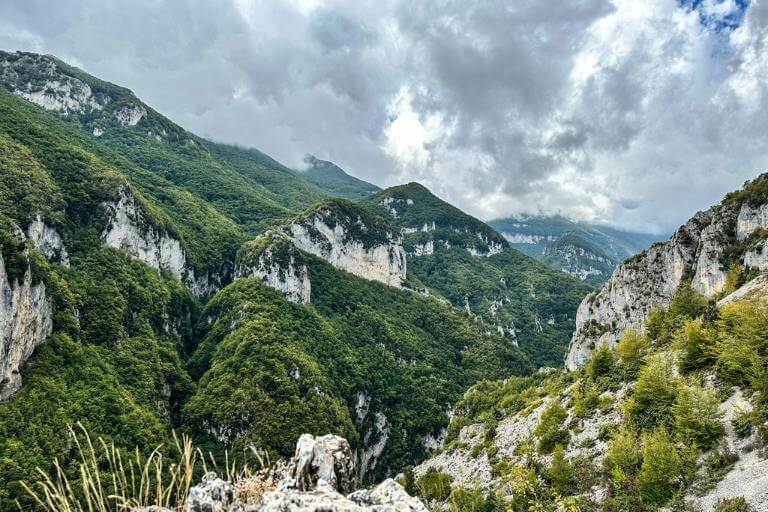
For serious hikers, the H1 trail climbs from the Rio Verde springs to Monte Amaro (13 km round trip) with an elevation gain of 2,400 metres. It’s rated for expert hikers and takes about 6.5 hours. The park’s limestone landscape hides dozens of caves and rock‑cut hermitages.
Skiing and winter sports
Abruzzo’s mountains aren’t just for summer. In winter, the region’s ski resorts offer good snow and uncrowded slopes. You can also opt for organized snowshoeing and winter hiking tours if you’re not into skiing or snowboarding.
- Roccaraso–Rivisondoli (Alto Sangro): The biggest ski area in Abruzzo has about 90 km of slopes served by 23 lifts. Elevations range between 1,309 and 2,141 m, with runs for all levels. The season usually runs from early December to early April, and there’s a wide choice of hotels and ski‑in/ski‑out options.
- Campo Felice: This high‑plateau ski area has 30.9 km of slopes and 5.6 km of ski routes served by 15 lifts. The winter sports area sits between 1,411 and 1,916 m and offers beginner zones, a snowpark, snow tubing and play areas for children. The season typically runs from mid‑December to early April.
- Ovindoli (Monte Magnola): A smaller but scenic resort with 21.6 km of slopes and 12 lifts between 1,413 and 2,056 m. The slopes range from easy to difficult. The season usually lasts from mid‑December to mid‑April.
Lakes, gorges and waterfalls
- Lago di Scanno: This natural lake in the Marsicani Mountains resembles a heart when viewed from the Sentiero del Cuore viewpoint. A short trail leads to the Heart Observatory, and you can walk or cycle around the lake, stopping at the Hermitage of Sant’Egidio on the hillside.
- Lake Barrea: This reservoir sits about 1,000 m above sea level in Abruzzo National Park. It’s the park’s main body of water at roughly 300 hectares, edged by willow, turkey oak and black pine forests.
- Lake San Domenico: Just outside the village of Villalago, this emerald‑green lake lies in the Sagittario Gorges nature reserve. It’s artificial, formed in 1929 when a dam was built on the Sagittario River.
Cycling and e‑biking
Abruzzo’s hills and coast make for rewarding rides. Ride from hill town to hill town with an e‑bike, or follow the Via Verde cycle path along the Trabocchi Coast.
Beaches and coastal experiences
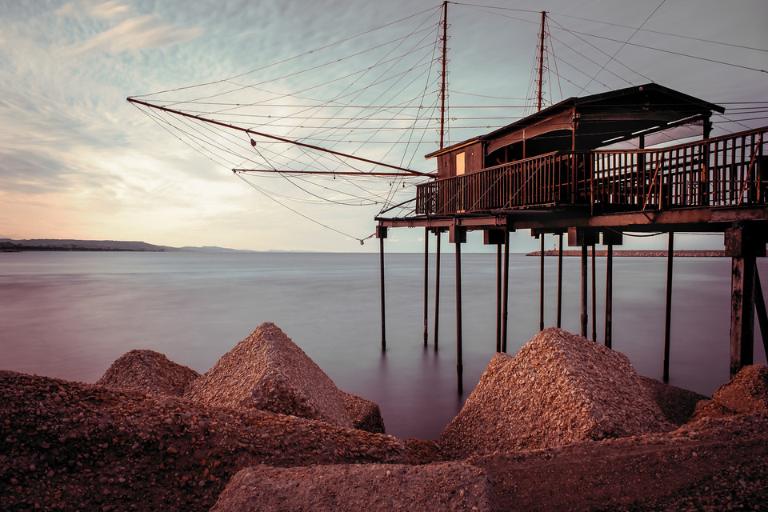
Abruzzo’s Trabocchi Coast stretches south of Ortona, where ancient wooden fishing platforms called trabocchi jut into the Adriatic. These structures were built so fishermen could cast their nets without going out to sea. There are about 30 of them along this coast. Some have been converted into seafood restaurants.
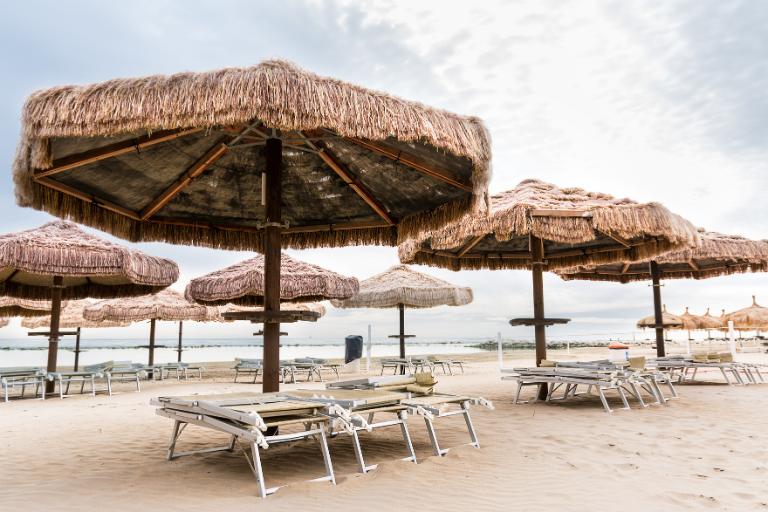
Abruzzo’s coastline offers a mix of family‑friendly sandy beaches and wild, untouched stretches. The region offers 16 Blue Flag beaches, awarded for clean water and eco‑friendly amenities. Here are some favourites to add to your things to do in Abruzzo list:
| Category | Beaches | Notes |
|---|---|---|
| Sandy beaches (family‑friendly) | Tortoreto – wide sandy shore with Blue Flag waters, lidos, and a long promenade; Alba Adriatica – “Silver Beach” with shallow waters; Pescara Riviera – city beach with amenities | Smooth sand, gentle water, playgrounds and bike paths. |
| Wild beaches (nature lovers) | Punta Aderci Nature Reserve – pebble beach backed by a nature reserve; Ripari di Giobbe near Ortona – small cove under cliffs; San Nicola on the Vasto coast – reached by trail | Minimal facilities, bring supplies and respect the environment. |
| Best for swimming | San Salvo Marina – long sandy beach with calm waters; Giulianova Lido – family beach with restaurants; Silvi Marina – sandy shore bordered by pine trees | Clear water and lifeguards, ideal for a relaxing dip. |
Towns and cultural places to fall in love with
There are many things to do in Abruzzo that don’t just involve outdoor sports. Abruzzo’s hill towns tell stories of medieval traders, Norman lords and shepherds. These are some of my favourites.
Rocca Calascio
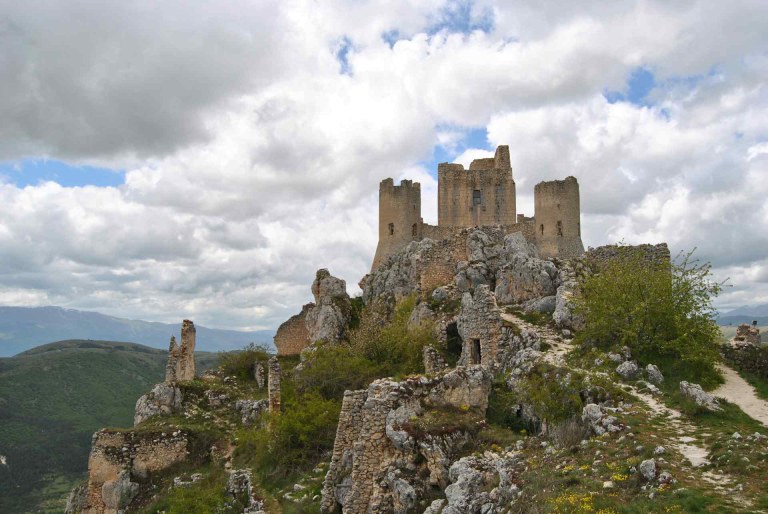
Rocca Calascio is one of Italy’s highest and oldest mountain forts. Built as a watchtower in the 10th century, it was expanded in the 14th century and later damaged by an earthquake in 1703. At 1,460 m above sea level, it offers sweeping views of the Gran Sasso. You can also admire the photogenic Church of Santa Maria della Pietà just below. You can drive near the top or hike up from the valley.
Santo Stefano di Sessanio
This tiny stone village sits on the slopes of Gran Sasso. It flourished under the Medici family in the late 16th century. The Medici tower, originally from the 14th century, was restored after the 2009 earthquake. The area is famous for tiny lentils grown here for centuries, now part of the Slow Food movement. Wander the cobbled lanes, browse craft shops and savour the slow pace.
Sulmona
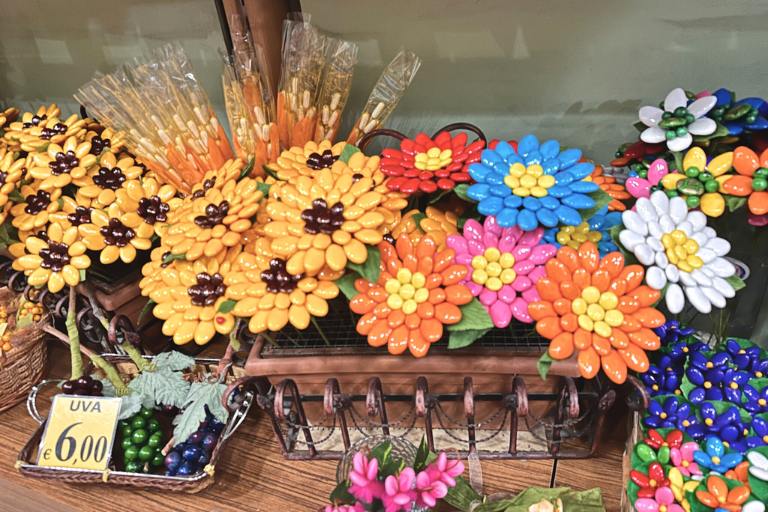
Sulmona is the birthplace of confetti, a colourful sugared almond traditionally thrown at weddings. Shops along Corso Ovido display bouquets of confetti in flavours such as Nutella and tiramisù. The town has a medieval aqueduct striding across its main piazza and hosts a lively market on Wednesdays and Saturdays. Visit the confetti museum to learn about this sweet tradition and stroll the old town’s arcades.
L’Aquila
L’Aquila is often called the “diamond of the Abruzzo plateau”. Its streets and squares were severely damaged in the 2009 earthquake and are still being restored. Stroll along Corso Vittorio Emanuele II and Corso Umberto I to see the cathedral and the Church of Santa Maria di Collemaggio.
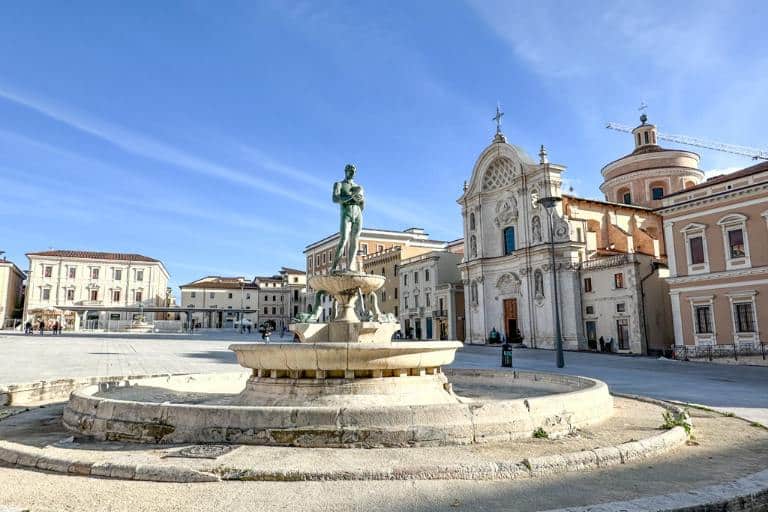
The Fountain of the 99 Spouts, legend says, commemorates 99 castles that joined to form the city. Don’t miss the Perdonanza Celestiniana festival each August 28, when a Holy Door opens at the basilica. Named the 2026 Italian Capital of Culture, L’Aquila should definitely be on your list of things to do in Abruzzo.
Eat your way through Abruzzo
Food in Abruzzo is simple and hearty, rooted in pastoral traditions and seasonal produce. Eating well is part of the adventure and definitely should be on your list of things to do in Abruzzo. Even Stanley Tucci ventured to Abruzzo on his show, Tucci in Italy, and fell in love with the region.
Try the arrosticini
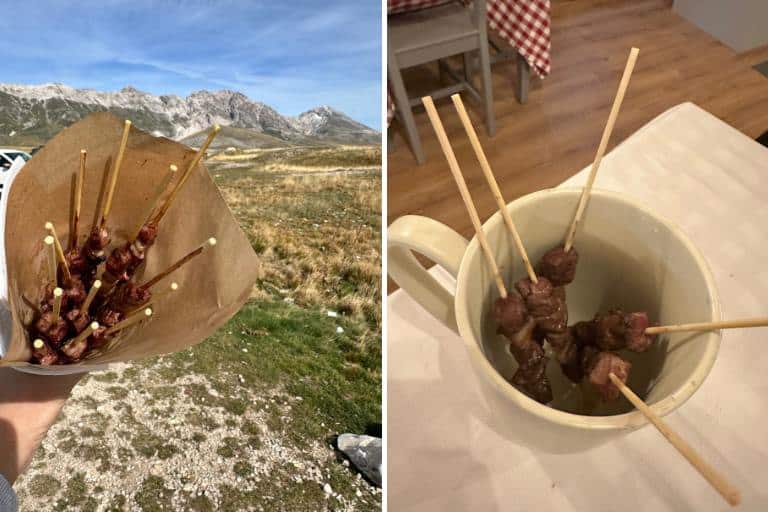
These skewers of lamb or mutton are an Abruzzo favourite. Small cubes of meat (with about 25% fat for flavour) are threaded onto 20 cm wooden sticks and grilled over charcoal.
Visit a winery
Abruzzo’s countryside is covered in vineyards. Over 80% of the region’s DOC wines are made from the Montepulciano d’Abruzzo grape, which produces a ruby‑red wine with aromas of cherries, violets and spice. Wineries near Pescara and Chieti offer tastings and tours. Many also grow white varieties like Trebbiano and Pecorino.
Eat on a trabocco
Along the Trabocchi Coast, wooden fishing platforms called trabocchi jut into the Adriatic. These historic structures were once used to catch fish without going to sea, and some have been converted into seafood restaurants. Lunch or dinner on a trabocco is a memorable way to taste fresh Adriatic fish while waves lap beneath your feet.
Explore a local market
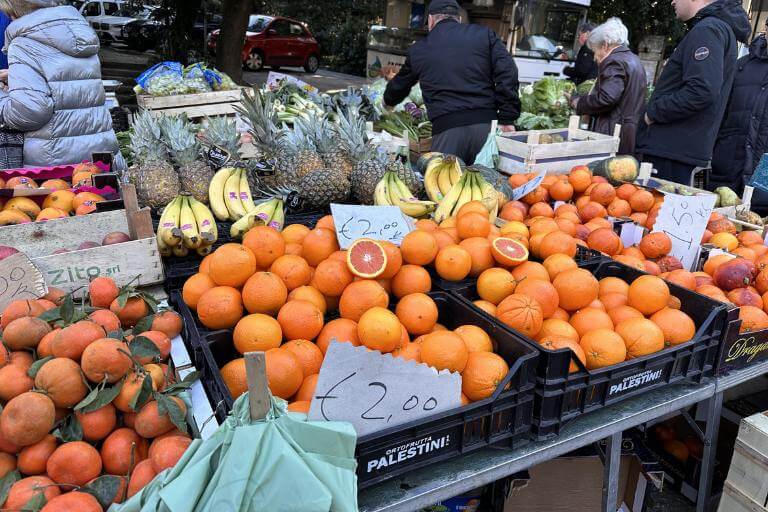
Many towns host lively weekly markets where you can stroll past vendors selling fresh produce, clothes and various household items.
Take a cooking class
Join a local cook to learn how to make Abruzzese dishes. You might roll out maccheroni alla chitarra pasta or fold crostoli pastries. Classes often start with a market visit to choose ingredients before heading to the kitchen. It’s a fun way to bring a taste of Abruzzo home.
Things to do in Abruzzo by season
Spring (March–May) – Wildflowers blanket the meadows and hill towns are quiet. It’s a great time for hiking without summer heat and for spotting wildlife in the national parks.
Summer (June–August) – Head to the coast for beach days and evening passeggiatas in villages. Try seaside festivals on the Trabocchi coast and night markets in towns.
Fall (September–November) – Harvest season brings grape and olive festivals. Cooler temperatures make it ideal for long hikes through colourful forests. Don’t miss chestnut festivals and truffle fairs.
Winter (December–February) – Ski season! Base yourself in Roccaraso, Campo Felice or Ovindoli for alpine skiing, or go snowshoeing in Majella. Warm up with hearty stews and red wine by the fire.
Where to base yourself for these activities
Choosing the right base makes travel easier. Here are four areas to consider:
| Base | Why stay here | Highlights & practicalities |
|---|---|---|
| Pescara | Best for beaches and public transport connections. Pescara has a lively seafront and an airport. | Stay near the Riviera for easy access to sandy beaches, nightlife and day trips along the Trabocchi Coast. |
| Chieti and the hills | Gateway to Gran Sasso and Campo Imperatore; a mix of mountains and coast. | Slower pace in rolling vineyards and olive groves, close to the Trabocchi Coast and Majella Park. |
| Teramo area | Gateway to Gran Sasso and Campo Imperatore, a mix of mountains and coast. | Base in Teramo town or hill villages, perfect for hikers and skiers. |
| L’Aquila area | Mountains and medieval villages, easy access to Rocca Calascio, Campo Felice and Ovindoli. | Slower pace in rolling vineyards and olive groves, close to the ski resorts and Gran Sasso mountains. |